Our tour begins at the entrance of the mission museum, which is the oldest structure on the grounds (Kelsey, 40). Of the missions that run along California's coast, Mission San Luis Rey is the largest, measuring at 250x280 feet for the main structure (Kelsey, 13). What you see below is the main entrance to the church. Through the archway to the left leads you to the museum entrance and the always wonderful gift shop.

Upon entering the museum, one is greeted by early artifacts from the Mission's early days. The first image is that of traditional dress of the Museum friars, dating back to 1808 CE. Adjacent to that display is a collection of Native American tools, such as acorn grinders and arrowheads. The early Natives to this area are known as the Luiseno peoples (Kelsey, 4). The roamed what is now San Diego widely, until the missions appeared and converted them to Christianity.
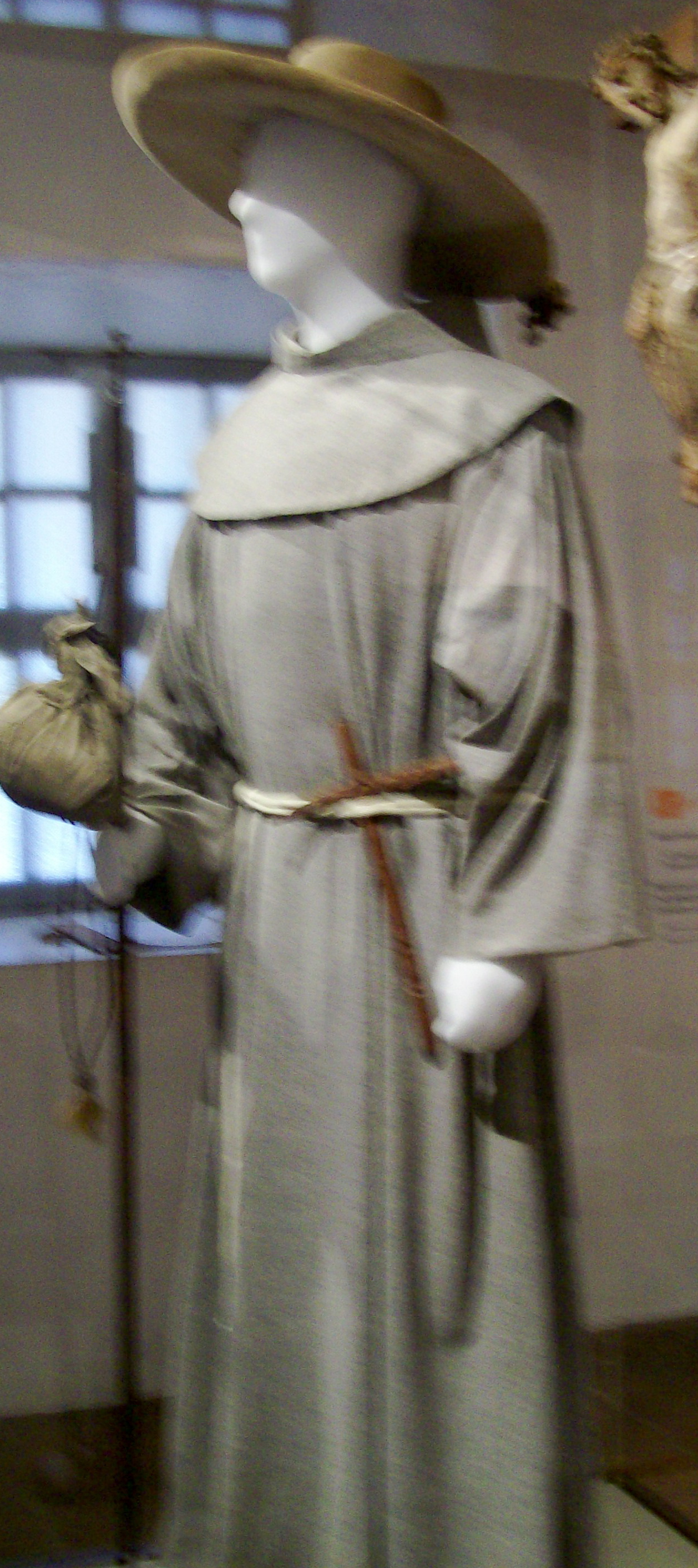 Traditional garb | 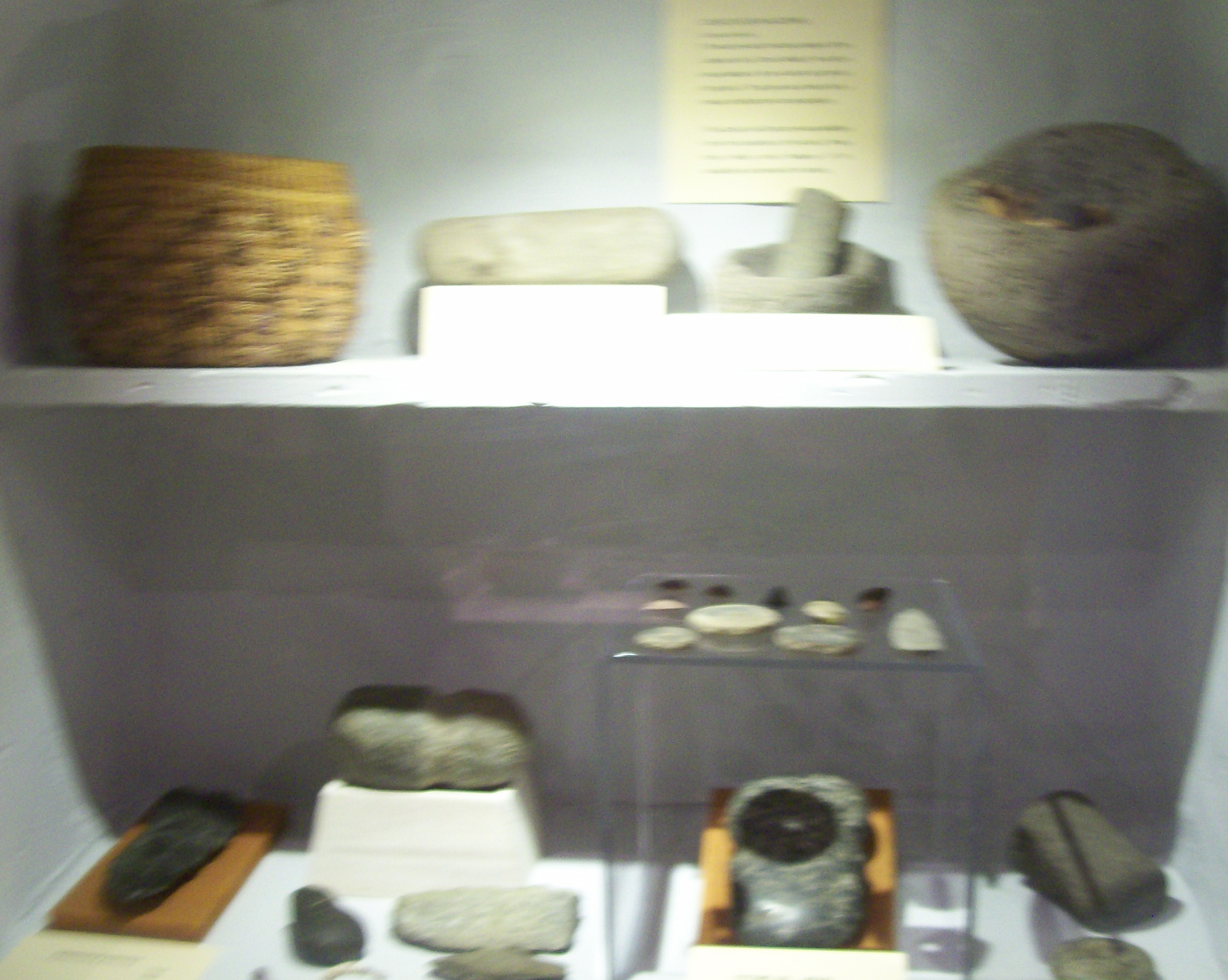 Luiseno tools |
Further along the museum displays is a traditional Luiseno infant carrier. Continue on, and you come across a 1575 draft of the Justinian Code, which was brought to California by the Spaniards and kept in the mission.
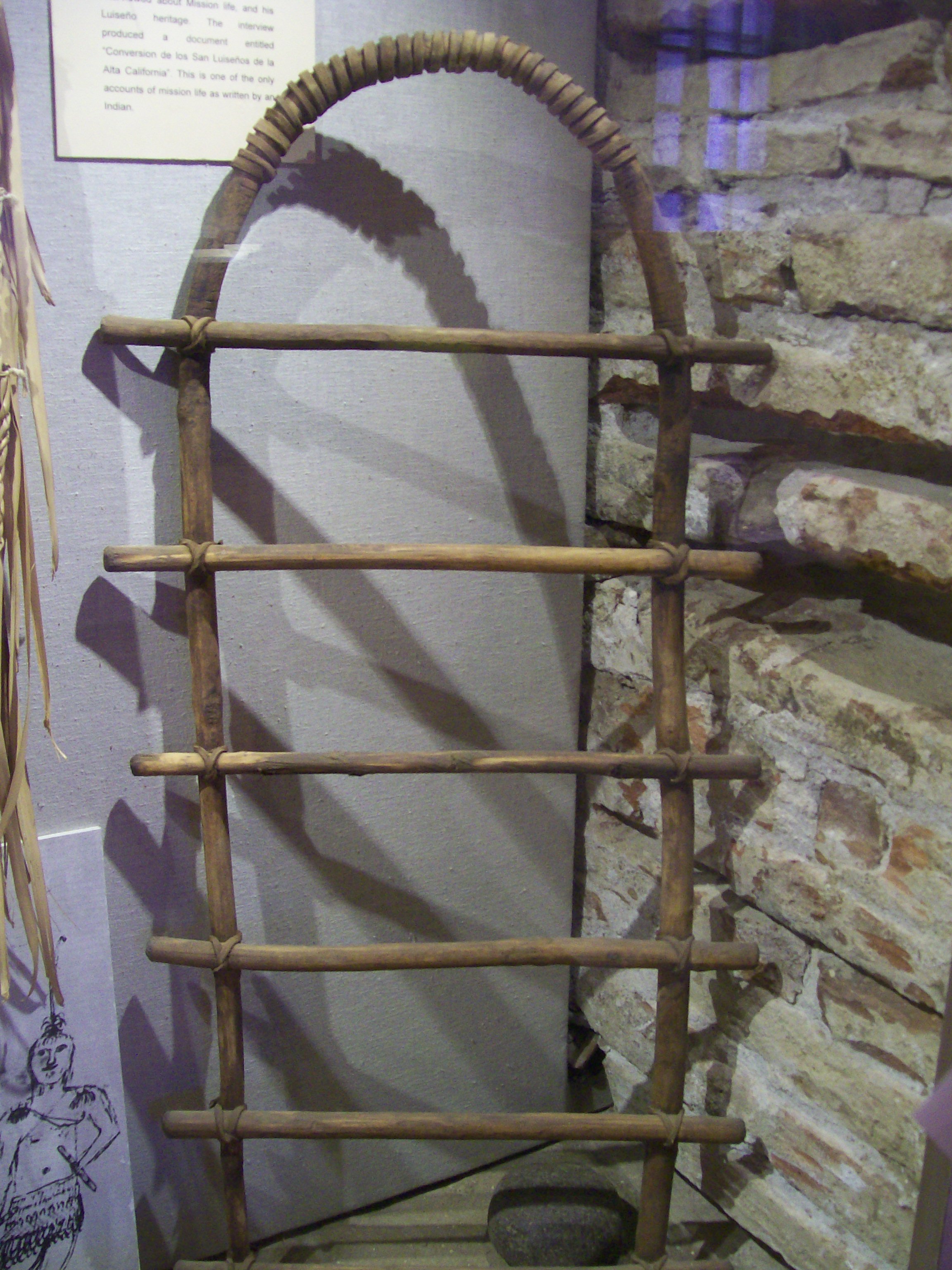 Infant Basket Carrier | 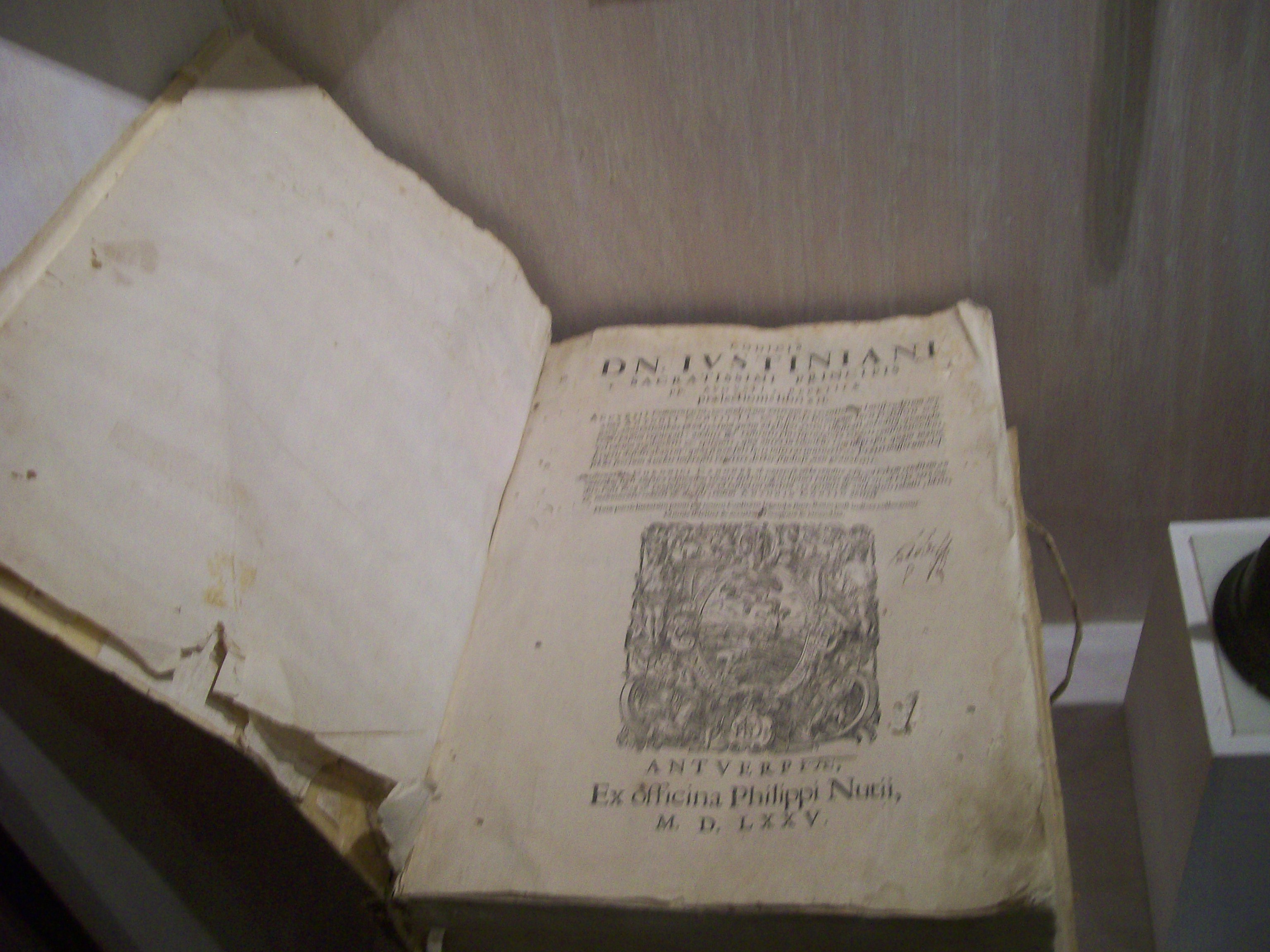 Justinian Code |
As the tour continues, you will come across two items very significant to the mission's history. First is an image of Fray Antonio Peyri. Fray Payri supervised the construction of the mission in 1808 and remained on the grounds for thirty years (Kelsey, 12). Because of his choice to live life in poverty, Fray Payri was able to relate to and gained trust of the Luisano peoples, and therefore convert them to Christianity in due time (Kelsey, 19). Across from the image of Fray Payri is a truly magnificent artifact, which deserves some background information.
As settlers continued to arrive from Mexico, the Mexican government began taking mission land from the Luisenos and granting it to newly arrived settlers (Kelsey, 21). By the year 1844, many Luisenos left the mission and less than 400 remained (Fray Peyri left the mission in 1832) - most of these individuals were sick, young, old, or simply did not want to assimilate (Kelsey, 21). Over the years, the mission was slowly transferred to private ownership. The U.S. Army arrived on scene in 1846, found a completely abandoned mission, and utilized the land for military barracks (Kelsey, 23). At this point, ownership of the mission grounds were up in the air. In 1853, the Treaty of Guadalupe was passed, and Bishop Alemany was granted control of Catholics in California (Kelsey, 24). Alemany filed multiple claims to get the mission property back and it was not until March of 1865 when President Abraham Lincoln signed the mission deeds, granting ownership of the land to the Catholic Church (Kelsey, 25). Below is a photo of the original document, which is located inside the mission museum.
 Fray Antonio Peyri | 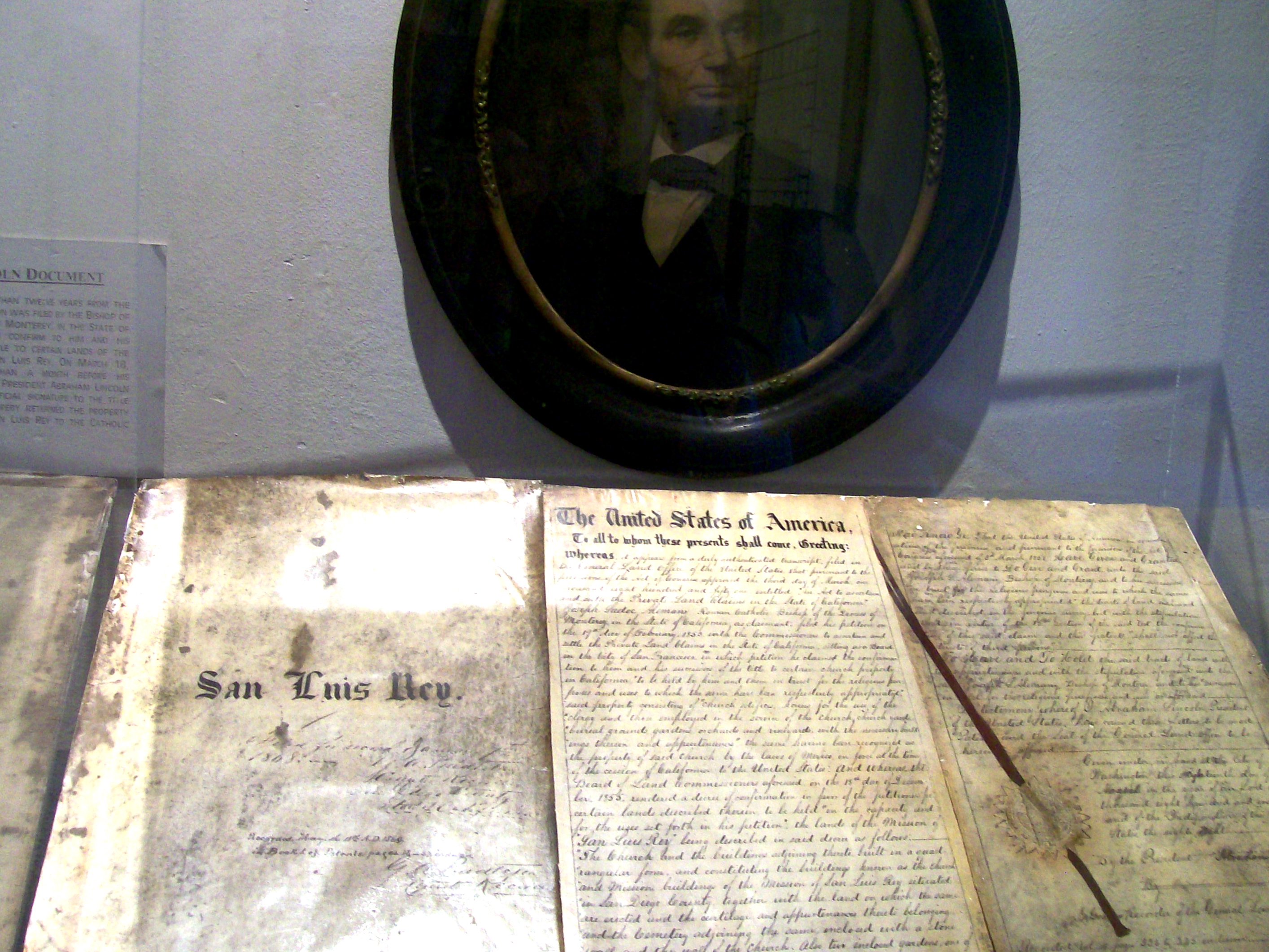 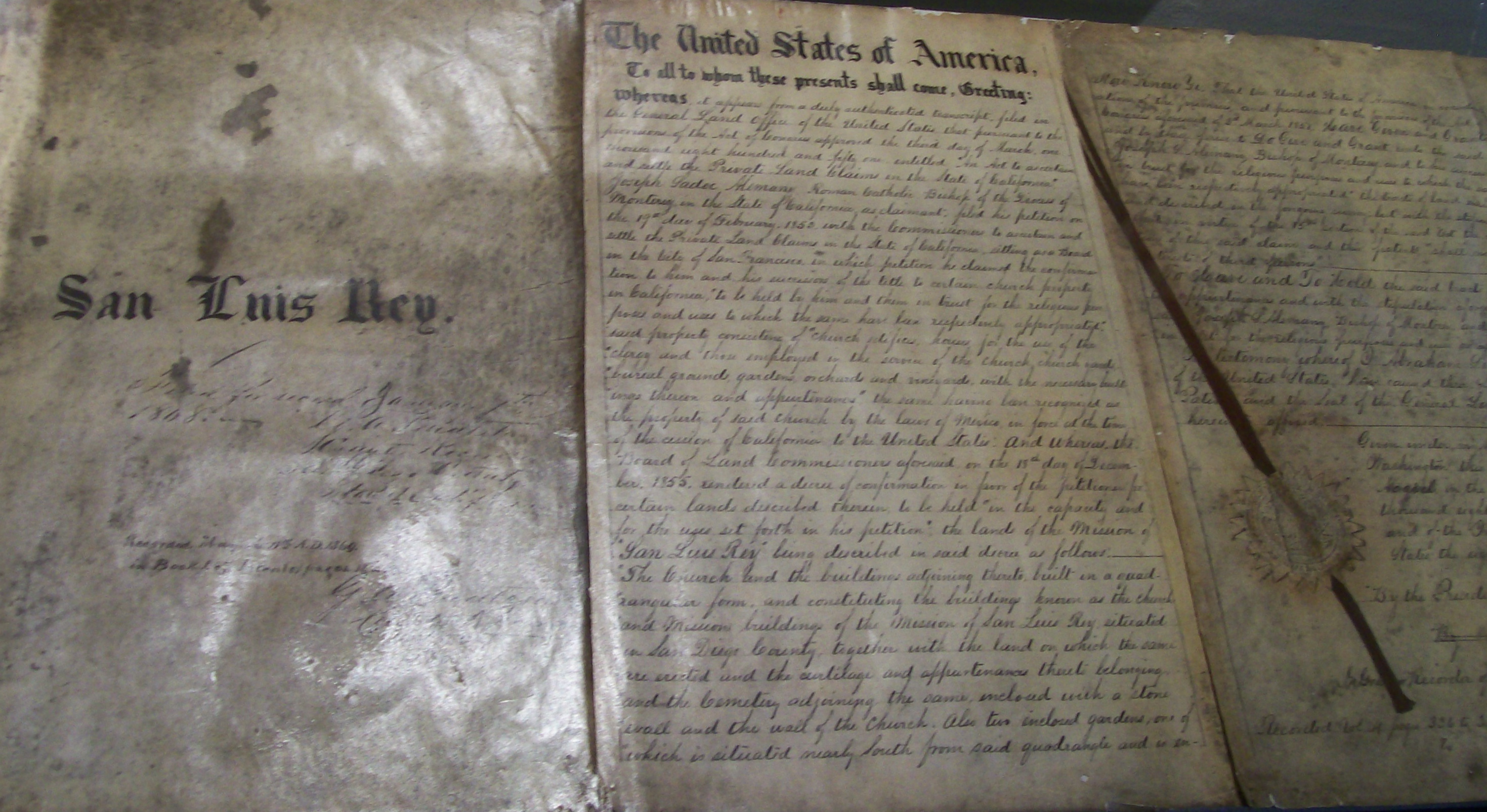 The deed to the Mission San Luis Rey de Francia, as signed by President Lincoln. |
After viewing Lincoln's signed document, we continue down the hall and come across a restoration and preservation of a traditional friar's bedroom. In the corner of the bedroom is a small altar with a cross above where the priests performed their daily prayers.
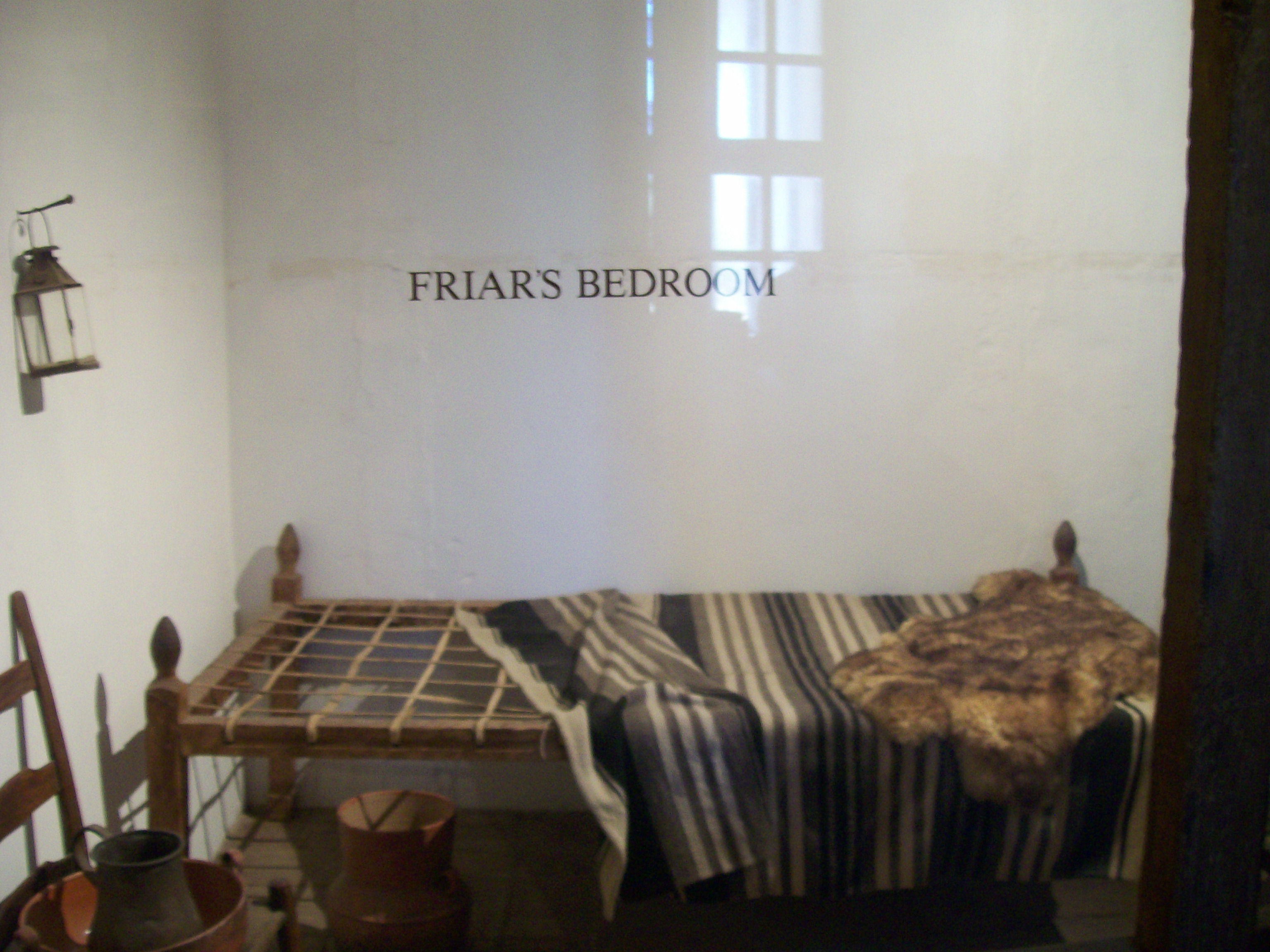 Friar's bedroom | 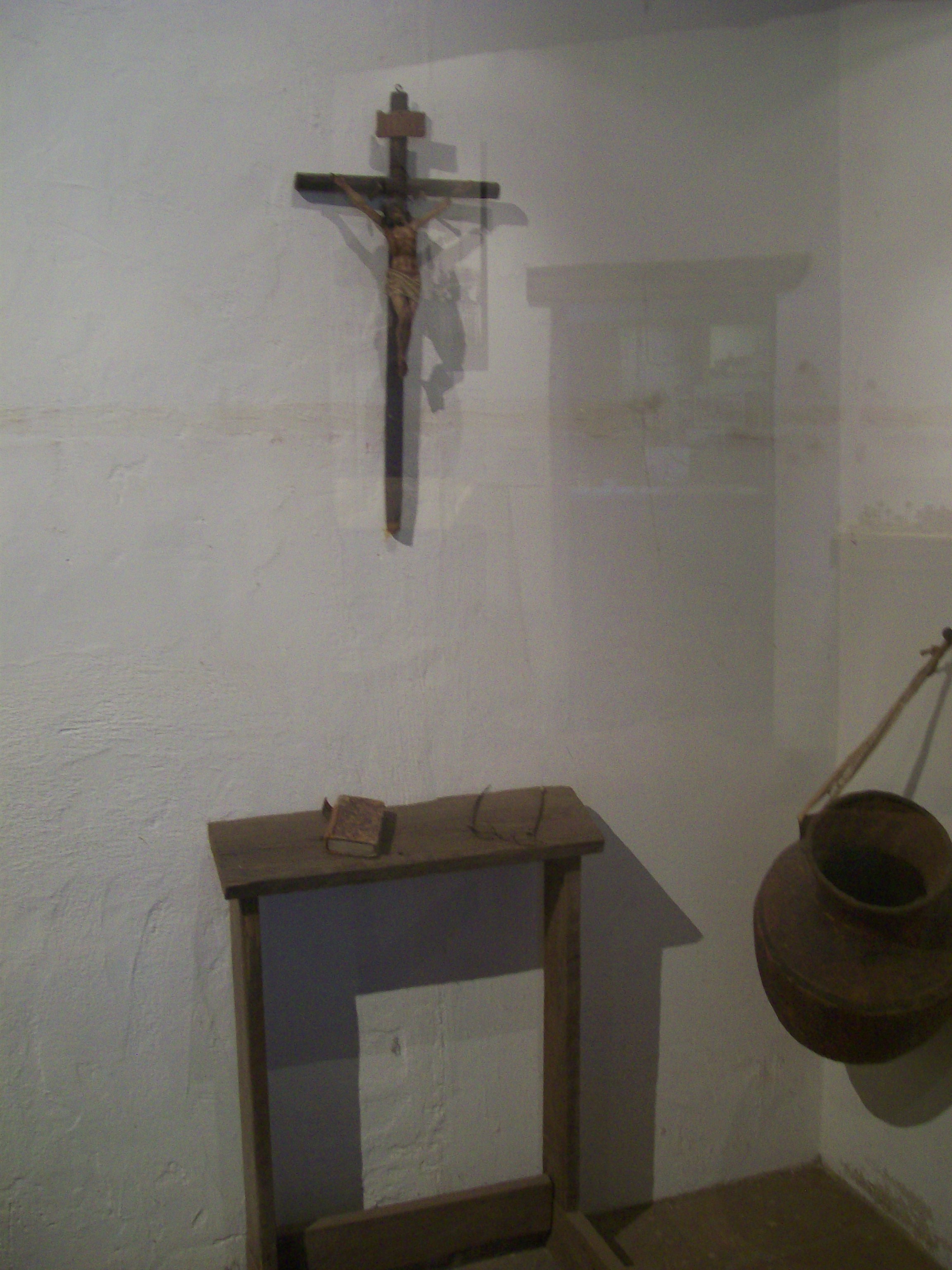 Altar and cross |
Reproductions of every day living rooms and situations continue, and we come to the traditional kitchen in which meals were prepared. Above the dining table, food was kept suspended in the air, so to keep the rats away from it. The stove is fully equipped with pots, pans, and logs for the fire.
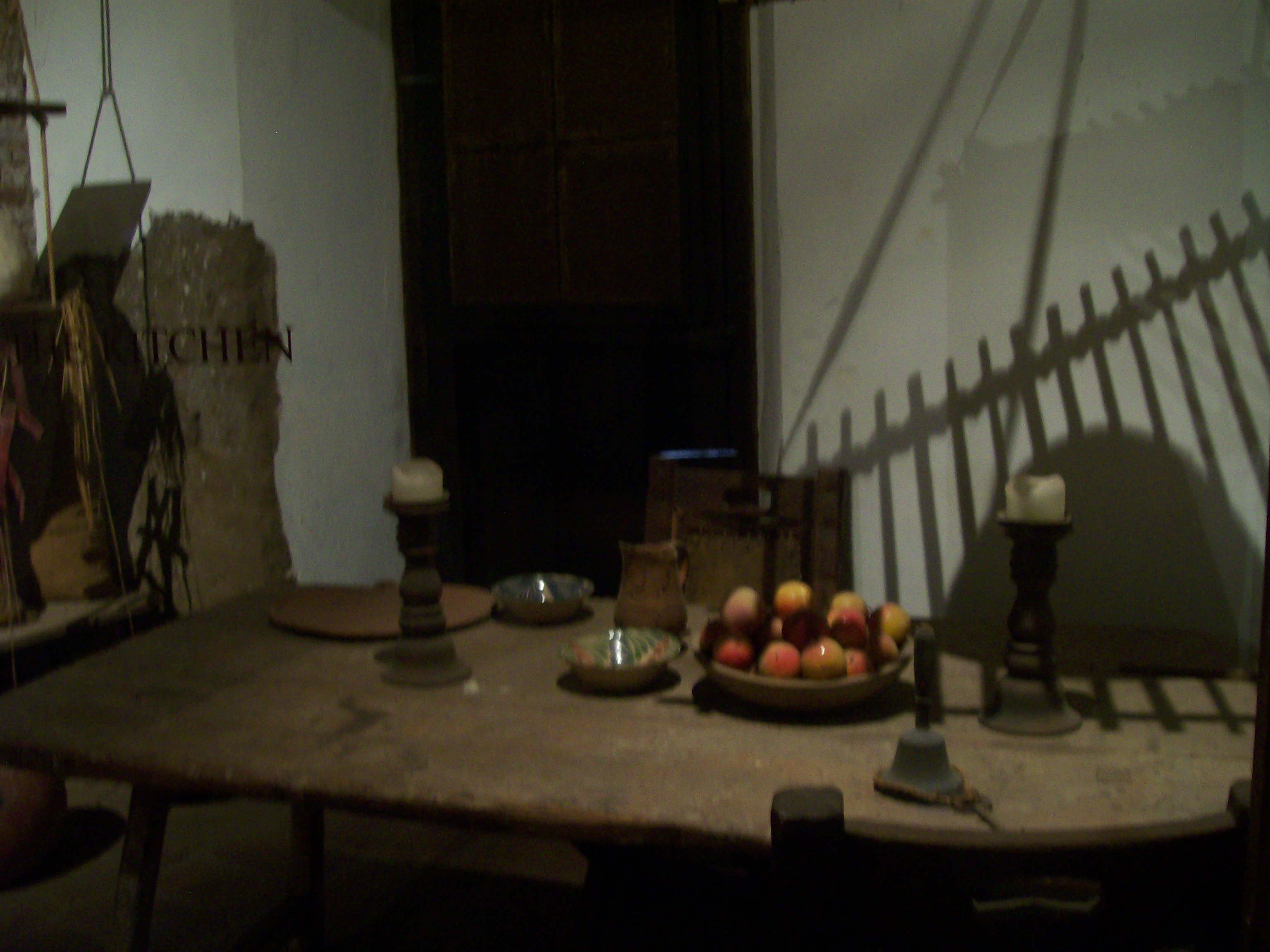 Kitchen table | 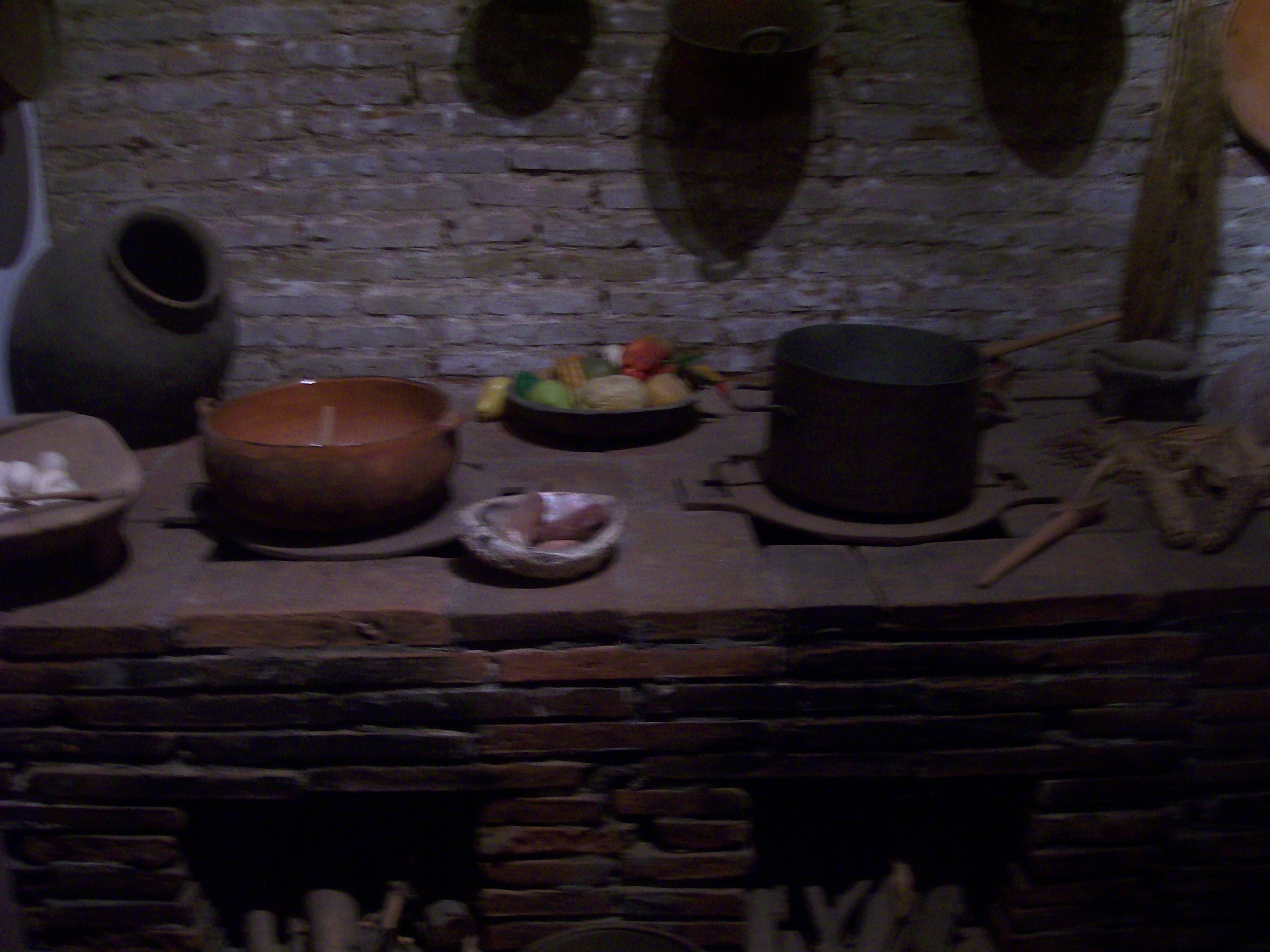 Stove |
Once the Catholic Church gained control of the missions, the Mission San Luis Rey began a restoration process. This process is documented in the next room of the museum. Below is a photo of the condition of the mission prior to restoration, which began in 1892 (Mission San Luis Rey, Old Mission Photo).

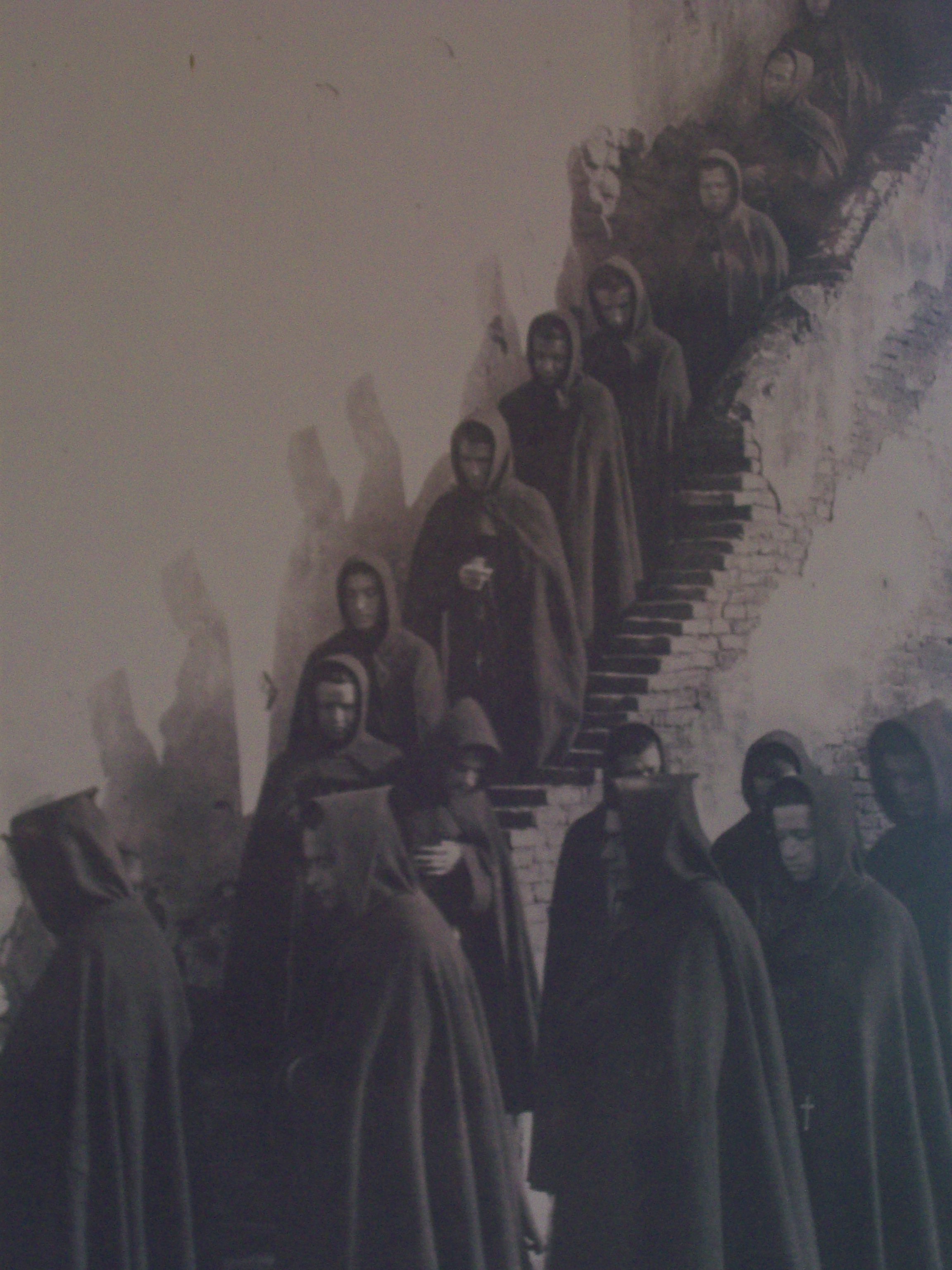
Other photos in this room include a picture of the Rededication Mass of the mission, which was held in 1893. In looking at it, you can see the attendees in front of the church. Adjacent to that photo is an image that was common once the restoration was complete - a line of friars, an image that would be incredibly hard to come by today.
 |  |
Another influential individual is highlighted in this section of the museum, Padre Joseph O'Keefe. Father O'Keefe was in charge of the restoration process of the mission in 1892, and once the restorations were complete, he served as 'Guardian of the Franciscan Community" (Mission San Luis Rey, Padre Joseph O'Keefe).

As we progress into the final room of the museum, we are met with an educational video playing in the front of the room and the image of one of the most significant individuals in Mission San Luis Rey's history, even if it wasn't by his own choice. Below is a photo of a statue of St. Louis, King of France. Running along the Mission San Luis Rey is a river that Franciscans named after the King of France - Rio San Luis De Francia (Historical Oceanside). Appropriately, the mission was named after the river and St. Louis became a historical image in Oceanside.

St. Louis, King of France
